Trademark vs Copyright: What’s the Difference and Why It Matters
Trademark vs copyright? It is the question that has always caused confusion among owners. We completely understand this because both rely on protection tools, but they work in different ways. A trademark protects brand names and logos used in businesses, while copyright protects the original creative works like books, music, or artwork.
If you’re going to build a brand or going to create original work, you should know the difference between them. Some people think a logo falls under copyright. Others believe a written book falls under trademark. And many owners don’t know which one applies to their situation—often leading them to seek help from our online trademark services in USA to make the right choice.
So, in this article, Trademarkhost explain how you can differentiate between copyright and trademark clearly. Moreover, we’ll also explain why their choice matters a lot for your long-term safety.
What Is the Difference Between a Trademark vs Copyright?
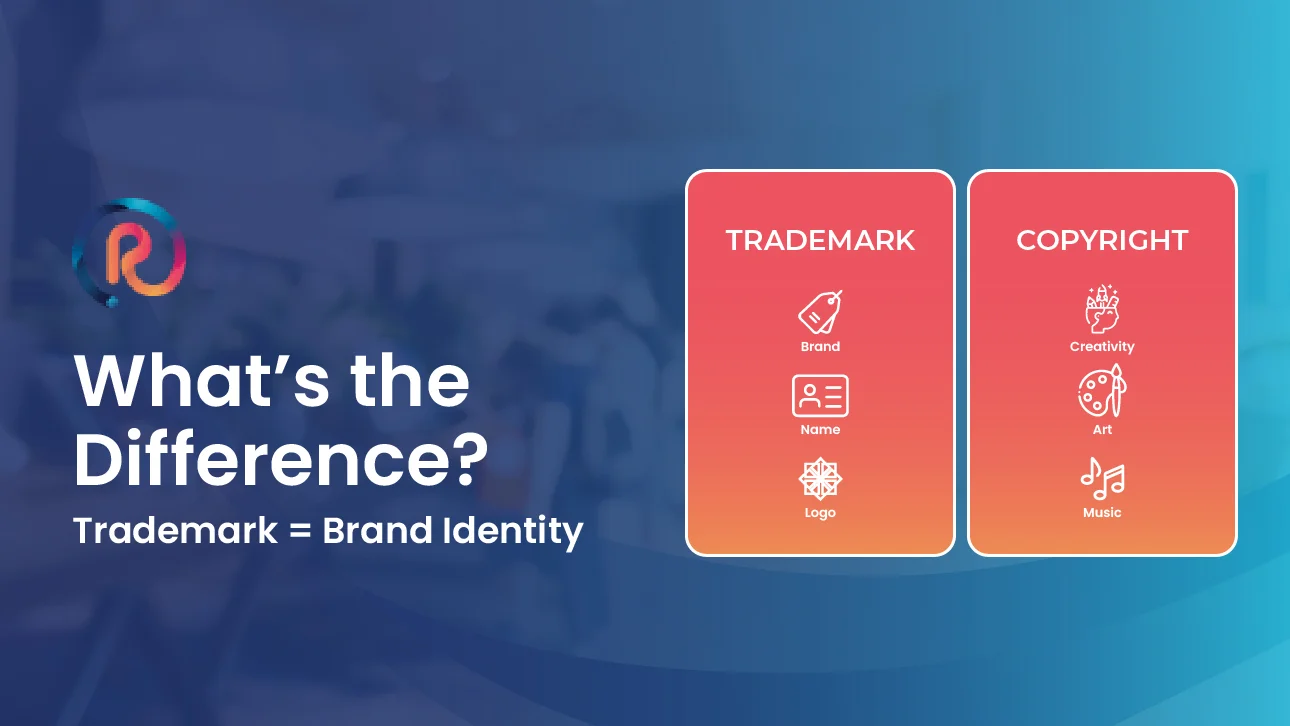
A trademark protects brand identifiers, while copyright protects creative expression. Trademarks cover names, logos, slogans, product names, and other elements that help consumers recognize the source of goods or services.
Copyrights cover original writing, art, music, videos, software, and other creative works. Both systems exist to give owners control over how others use what they create.
Why Does This Matter for New Brands?
If you rely on the wrong protection, your brand may be exposed. New companies need the right legal coverage from the start so they can prove ownership if a conflict comes up.
We’ve seen founders skip this step and regret it later. They build a website, branding, and packaging—then discover someone else already has rights to the same name. Fixing that kind of problem early can save huge amounts of time and money.
Trademark Basics and Copyright Basics Explained
Trademarks are handled by the official IP office in each country or region. While the steps and terminology can vary, the process usually includes:
- Checking that the name or logo is available (a clearance search).
- Choosing the right goods and services categories.
- Filing an application for examination by the trademark office.
How Do You Decide What Your Business Needs?
- If it’s a name, slogan, logo, or brand element, you need a trademark.
- If it’s writing, art, photography, video, music, or other creative content, you need copyright.
Trademark Examples: What Counts as a Trademark?
- Business name
- Brand logo
- Tagline or slogan
- Signature product name
- Packaging elements that identify your brand
Copyright Examples: What Falls Under Copyright?
- Written content (blogs, books, scripts)
- Drawings, paintings, and illustrations
- Photographs
- Films and videos
- Music and poetry
- Website text and product descriptions
- Patterns or digital artwork
Trademark vs Copyright Comparison
| Feature | Trademark | Copyright |
|---|---|---|
| Protects | Brand identifiers | Creative works |
| Examples | Name, logo, slogan | Books, music, artwork |
| Registration Office | USPTO | Copyright Office |
| Duration | Can last forever with renewal | Copyright duration can differ per country |
| Purpose | Brand recognition | Creative ownership |
Why New Brands Need Both
Using both gives the strongest protection. A logo, for example, can be protected by a trademark because it identifies the brand. But its artistic design can also be protected by copyright. So, filing for both gives double safety. Knowing the different IP protection types makes it easier to protect your brand fully.
We help many new founders understand this dual protection. That’s why we recommend our clients take these steps early.
How Trademark Applications Work Worldwide

Trademark registration is managed by national or regional IP offices, so the exact rules and timelines vary from country to country. If you’re learning how to trademark a name, it’s important to understand that while the details differ by location, the overall process usually involves the following steps:
- Clearing the mark by checking for identical or confusingly similar earlier trademarks in the relevant territories.
- Selecting the correct goods and services classes based on how and where the brand will be used.
- Examination by the office, which may raise objections or request clarification.
- Publication and possible opposition, allowing third parties to object in some jurisdictions.
- Registration and maintenance, with renewals required at set intervals to keep the trademark active.
If the mark remains in use and renewals are filed on time, trademark rights can be maintained long-term in most jurisdictions.
How Copyright Works
Copyright is simpler at the start: the moment you create an original work and fix it in some tangible form, you own it. Registration gives you a formal certificate and stronger enforcement tools. Some countries copyright is obtained automatically without the need for additional registration
If you’re creating blogs, artwork, or videos, registering them is wise if you want stronger proof and enforcement options.
Why Trademark Watch Matters
Registering a trademark is a major milestone, but it isn’t the finish line. Your brand stays protected only if you keep an eye on new trademarks that could be identical or confusingly similar to yours. Because new applications are filed every day, problems can appear quietly and grow fast if they’re missed.
Our trademark monitoring services solves this by continuously monitoring new filings (and, in some programs, marketplace use) in the regions that matter to you. If a similar mark is detected, you get an alert early enough to act.
Key advantages of trademark watch:
- Early notice means faster, cheaper action. It’s far easier to challenge a conflicting mark before it becomes registered or widely used.
- Prevents customer confusion. Similar marks can mislead buyers into thinking another business is connected to you. Watch helps stop that before it damages trust.
- Protects brand strength and exclusivity. If close marks keep appearing, your trademark can lose distinctiveness over time. Monitoring helps prevent dilution.
- Reduces the risk of costly disputes later. Catching conflicts early avoids situations where you’re forced into expensive enforcement or rebranding battles.
- Supports international growth. For brands operating or expanding globally, watch services help you stay informed across multiple countries without needing to manually track each one.
In short, a trademark watch helps you defend your rights proactively, keeping your brand clear, strong, and secure over the long term.
Long-Term Value: What Makes IP Vital for Every Brand?
Strong IP protection builds trust with customers and investors. When someone sees a brand clearly protected, it shows professionalism. Your brand becomes more valuable when it’s protected legally.
And we’ve seen many clients attract better partnerships once they show solid IP. That’s why learning the rules early helps your brand grow without fear.
Conclusion
Understanding the difference between trademarks and copyright helps you protect what you build without gaps. Trademarks secure the elements that identify your brand in the marketplace, while copyright protects original creative content. Many businesses need both, and choosing the right protection early can prevent confusion, disputes, and costly changes later. With proper registration and ongoing trademark watch, you can grow confidently knowing your brand and creative work are legally protected for the long term.
FAQs
Do I need a trademark or copyright for my logo?
You usually need both. A trademark protects the brand identity, and copyright protects the artwork itself.
Can a name be copyrighted instead of trademarked?
No, names aren’t covered by copyright. A name requires trademark protection for full legal support.
Is copyright automatic?
In many countries, copyright protection begins automatically when a work is created. However, some countries require registration to secure or enforce those rights. Even where copyright is automatic, registration often provides stronger legal protection and clearer proof of ownership, which is why many creators choose to register their work.
How long does trademark protection last?
In many countries, copyright protection begins automatically when a work is created. However, some countries require registration to secure or enforce those rights. Even where copyright is automatic, registration often provides stronger legal protection and clearer proof of ownership, which is why many creators choose to register their work.
Do I need professional help to file a trademark?
Professional help isn’t required, but it’s often a smart choice. Filing on your own is possible, but working with a professional can reduce mistakes, improve your chances of approval, and save time and costs if issues come up during the process.
Send Us A Message
Our Services
Related Blogs