EU Trademark Directive Explained: What It Is and Why It Matters
Most businesses entering Europe assume trademark protection works the same everywhere. It doesn’t. That’s exactly why the EU trademark directive matters.
The European Union is made up of multiple national legal systems. Without alignment, trademark rules would vary too widely across countries. The directive brings those systems closer together, creating more consistent standards for distinctiveness, trademark rights, and trademark infringement.
This consistency makes a real difference. It helps businesses protect their brands more reliably, avoid legal surprises, and expand across EU markets with greater confidence.
In this blog, we’ll break down what the directive actually does and what it means for your trademark strategy.
What Is the EU Trademark Directive and Why Does It Matter?
The EU trademark directive is an EU legal framework adopted by the European Parliament and the Council to harmonize key aspects of national trademark laws across EU Member States.
Each EU country keeps its own trademark system, but they all follow the same core rules. As a result, the system becomes easier to understand and more predictable for businesses operating across multiple countries.
Before the directive, trademark laws could differ significantly between member states. That created confusion. A trademark might be accepted in one country but rejected in another based on different standards. The directive reduces these differences by establishing common rules that EU countries incorporate into their national trademark laws.
- It creates consistency across EU trademark systems
- Businesses benefit from reduced legal uncertainty
- Cross-border trade becomes easier within the EU
- Stronger rules help improve trademark protection and enforcement
In simple terms, the directive makes Europe easier to navigate for brand owners.
How Does the EU Trademark Framework Work in Practice?

The EU Trademark Framework works by combining aligned national laws with a unified regional trademark system.
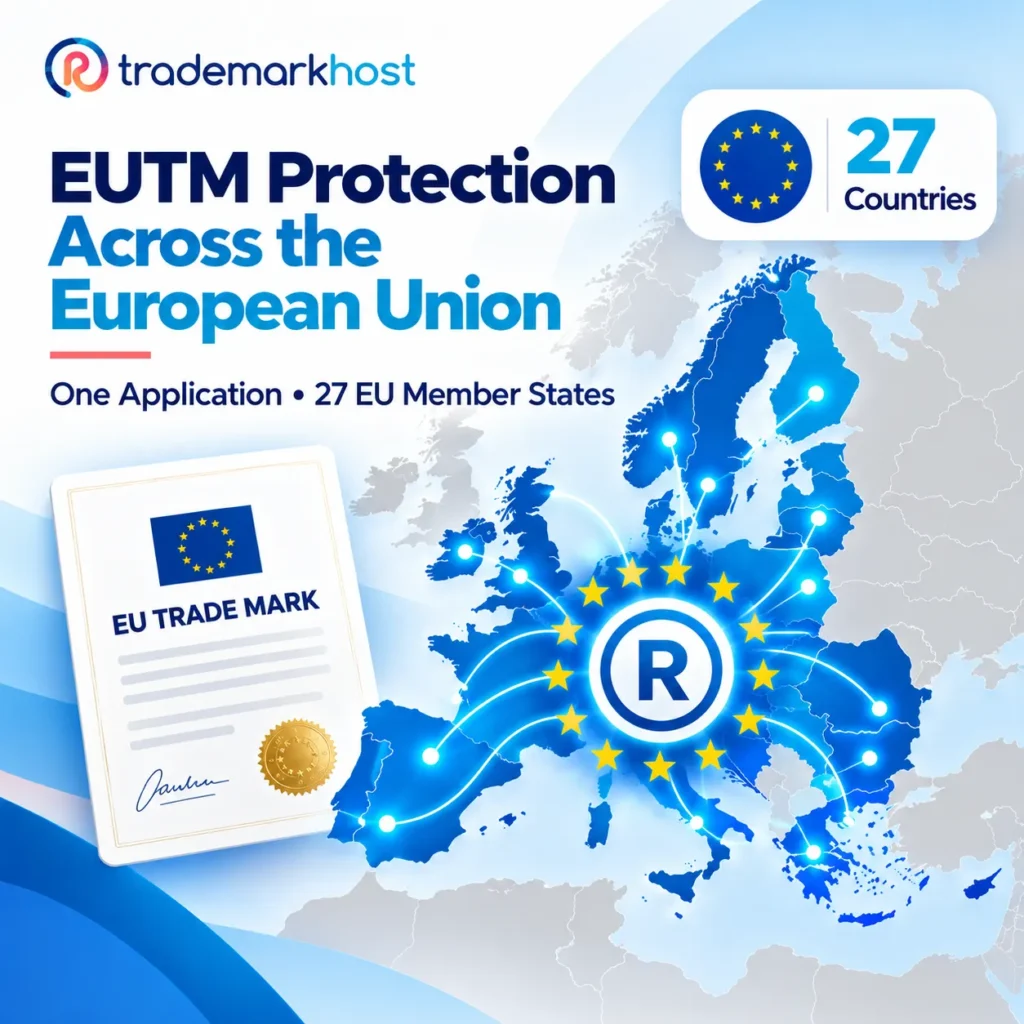
Businesses can seek trademark protection through national registrations in individual EU Member States or through a European Union trade mark (EUTM), which provides protection across the EU. The directive brings national trademark laws under shared principles, while the EUTM system is governed separately by the EU Trade Mark Regulation.
This is where the framework starts to matter in practice. Without it, businesses would face conflicting standards depending on where they apply. It establishes shared principles for areas such as distinctiveness, registration requirements, trademark rights, and certain enforcement measures.
For example, distinctiveness, whether a sign is capable of distinguishing one business’s goods or services from those of others, is assessed using broadly aligned legal standards. This reduces the chances of inconsistent decisions across countries.
How the framework benefits businesses:
- Provides flexible filing options (national or EU-wide)
- Ensures consistent legal standards
- Simplifies expansion into multiple EU markets
- Improves predictability in trademark decisions
The result is a more stable and business-friendly system.
Why Was the EU Trademark Directive Introduced?
The EU trademark directive was introduced to solve a real problem: fragmented trademark laws across Europe. So, what changed in practice for businesses?
Before these rules were brought closer together, businesses had to deal with greater differences between national trademark systems. This made trademark registration more complex and enforcement more difficult. It also increased costs, as companies needed separate legal strategies for each jurisdiction.
EU legislators recognized that a functioning internal market requires greater consistency in trademark law across Member States. Trademarks are essential for fair competition. If the rules protecting them are inconsistent, the market becomes less efficient.
The directive was designed to modernize national laws and bring them under a shared structure. It also reflects the changing nature of business. Today’s brands operate online, across borders, and at scale. Trademark law needed to evolve to keep up.
Problems the directive aimed to fix:
- Legal inconsistencies across member states
- Complex and costly registration processes
- Weak enforcement against infringement
- Barriers to cross-border trade
By addressing these issues, the directive supports a stronger European market.
How Does the Trademark Directive EU Improve Trademark Protection?
The EU trademark directive framework improves trademark protection by strengthening legal standards and clarifying what can be protected.
One major change was the removal of the requirement that a trademark be represented graphically, provided the representation enables authorities and the public to determine the clear and precise subject matter of protection. Traditional marks like names and logos are still common, but the directive allows for more flexibility. This provides greater flexibility for non-traditional marks, provided they can be represented clearly and precisely and satisfy the other requirements for registration.
It also improves enforcement. Authorities now have stronger tools to act against counterfeit goods and unauthorized use. This is especially important in a global economy where infringement can happen quickly and across borders.
Key improvements in protection:
- More flexible representation of trademarks
- Stronger enforcement mechanisms
- Better protection against counterfeit goods
- Clearer rules for trademark rights
What this really means is that businesses can protect a wider range of brand elements with more clarity and fewer technical limitations.
What Are the Core Principles of the EU Trademark Law Directive?
The EU trademark law directive is built on several core principles that define how trademark law works across Europe.
Distinctiveness
A trademark must be capable of distinguishing one undertaking’s goods or services from those of others. Signs that are purely generic or descriptive may be refused registration unless, where applicable, they have acquired distinctiveness through use.
Trademark Rights
Registration gives the owner exclusive rights in the trademark, including the right to prevent certain unauthorized uses of identical or similar signs in circumstances defined by trademark law.
Trademark Infringement
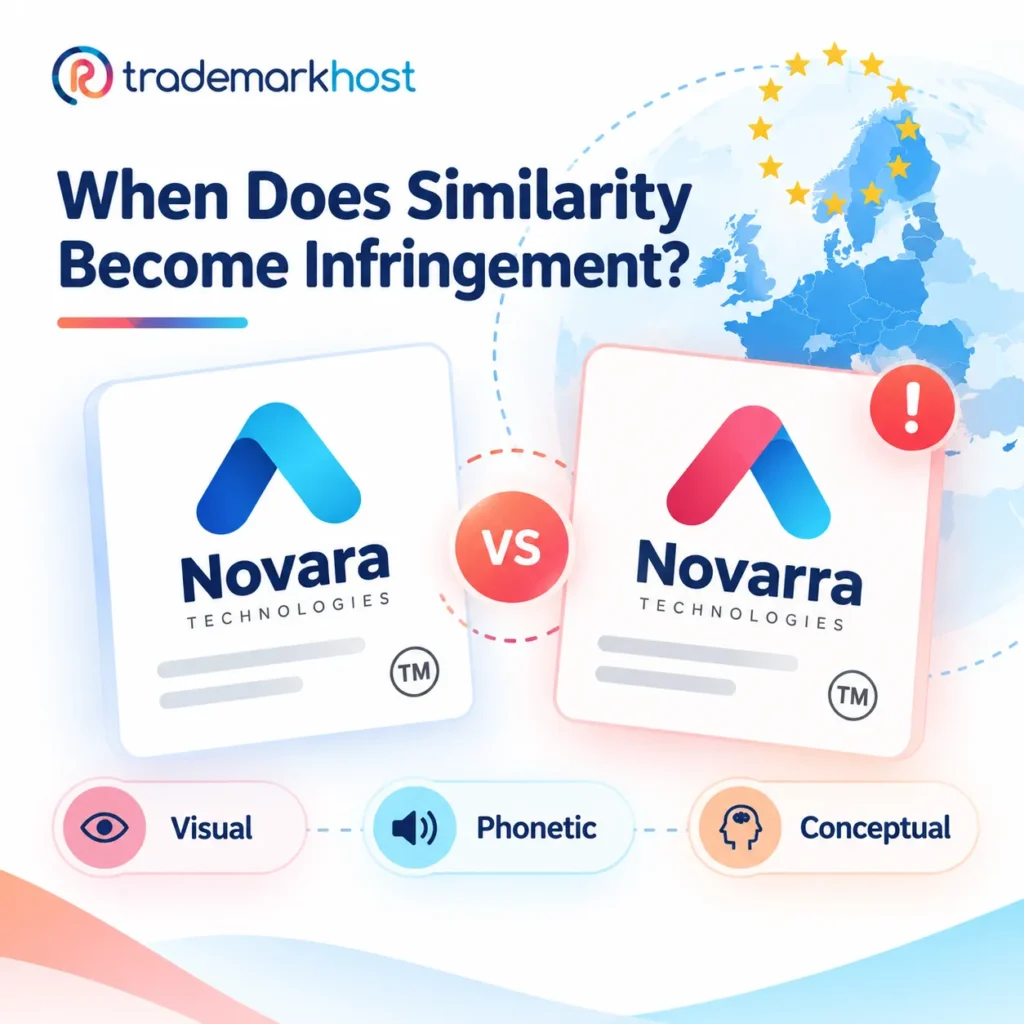
The directive sets out circumstances in which trademark owners may prevent unauthorized use of identical or similar signs, including certain uses that create a likelihood of confusion.
Enforcement
Trademark owners may, subject to specified conditions, prevent certain infringing goods from entering the EU even when those goods have not been released for free circulation.
Harmonization
All member states follow similar core rules, reducing differences in how trademark law is applied across the EU.
These principles form the backbone of European Union Trademark Law.
How Can Businesses Register a Trademark in the EU?
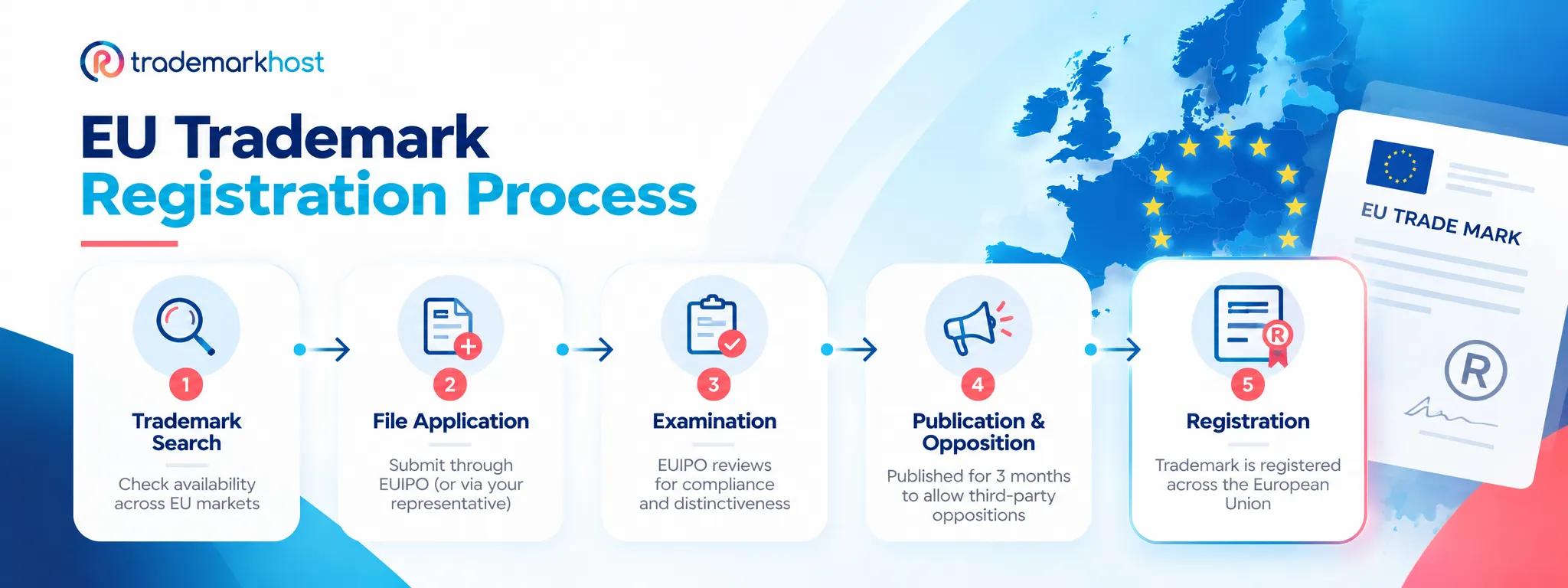
Businesses can register trademarks either nationally or across the entire EU.
The registration process generally involves filing an application, examination by the relevant trademark office, publication, an opportunity for opposition where applicable, and registration if the relevant requirements are satisfied.
For companies expanding across multiple countries, it often makes sense to consider trademark registration in the European Union as part of a broader strategy, ideally with guidance from an EU trademark attorney.
Typical registration steps:
- Conduct a trademark search
- File the application
- Undergo examination
- Publication for opposition
- Receive registration
For national trademark applications, the directive establishes common substantive and procedural standards, while EUTM applications are governed by the EU Trade Mark Regulation.
How Does the EU Trademark Directive Address Infringement?
The EU trademark directive strengthens the rights available to trademark owners against certain forms of infringement.
The broader EU legal framework also provides mechanisms for taking action against certain counterfeit goods entering the EU.
Trademark owners may also have access to remedies such as injunctions and damages under applicable EU and national enforcement laws.
Enforcement tools include:
- Border seizure of counterfeit goods
- Legal action against infringers
- Compensation for damages
- Removal of infringing products
This creates a stronger defense against trademark infringement.
Why Choose TrademarkHost for Global Trademark Services?

At TrademarkHost, we focus on helping businesses protect their brands across multiple jurisdictions.
We understand that navigating the EU Trademark Framework can be complex. That’s why we help you file, protect, and enforce trademarks across multiple jurisdictions without unnecessary delays or legal guesswork.
What we offer:
- Trademark filing and strategy support
- Protection across EUIPO, WIPO, and national offices
- Monitoring and enforcement services
- Global trademark solutions
Conclusion
The EU trademark directive remains a cornerstone of trademark law in Europe. It gives businesses a more predictable legal environment and stronger tools to protect their brands across multiple countries. Without it, trademark systems become fragmented and make it harder for businesses to protect their brands and enforce their rights.
For businesses looking to expand into Europe, understanding this directive is critical. It helps you understand trademark requirements, reduce legal uncertainty, and protect your brand as you expand. The directive supports a fair and competitive market, benefiting both businesses and consumers.
At TrademarkHost, we help businesses turn complex trademark laws into clear strategies. Whether you’re entering the EU market or expanding globally, we’re here to guide you every step of the way.
Get in touch to protect your trademark and plan your next move with confidence.
FAQs
What is the EU trademark directive?
It is a European Union law designed to harmonize trademark regulations across member states, ensuring consistent protection standards while still allowing national trademark systems to operate independently.
Does it replace national trademark laws?
No, it does not replace them. Instead, it aligns key principles so national laws remain in place but follow shared rules for better consistency across the EU.
Can I register one trademark for all EU countries?
Yes. You can apply to the EUIPO for a European Union trade mark (EUTM), which provides unitary trademark protection across all EU Member States.
What is distinctiveness in trademark law?
Distinctiveness means a trademark must clearly identify and distinguish the origin of goods or services, ensuring consumers can recognize one business’s offerings from another’s.
Why is the directive important for businesses?
It makes trademark rules more predictable and consistent, reducing legal complexity and helping businesses expand and protect their brands more easily across multiple EU countries.